48 hr
Machu Picchu 2-Day Inca Trail with Vistadome Train
- Expert local guide
- Small group
- Skip-the-line access
2 Day Inca Trail Hike to Machu Picchu — Permits, Trains and Guided Treks
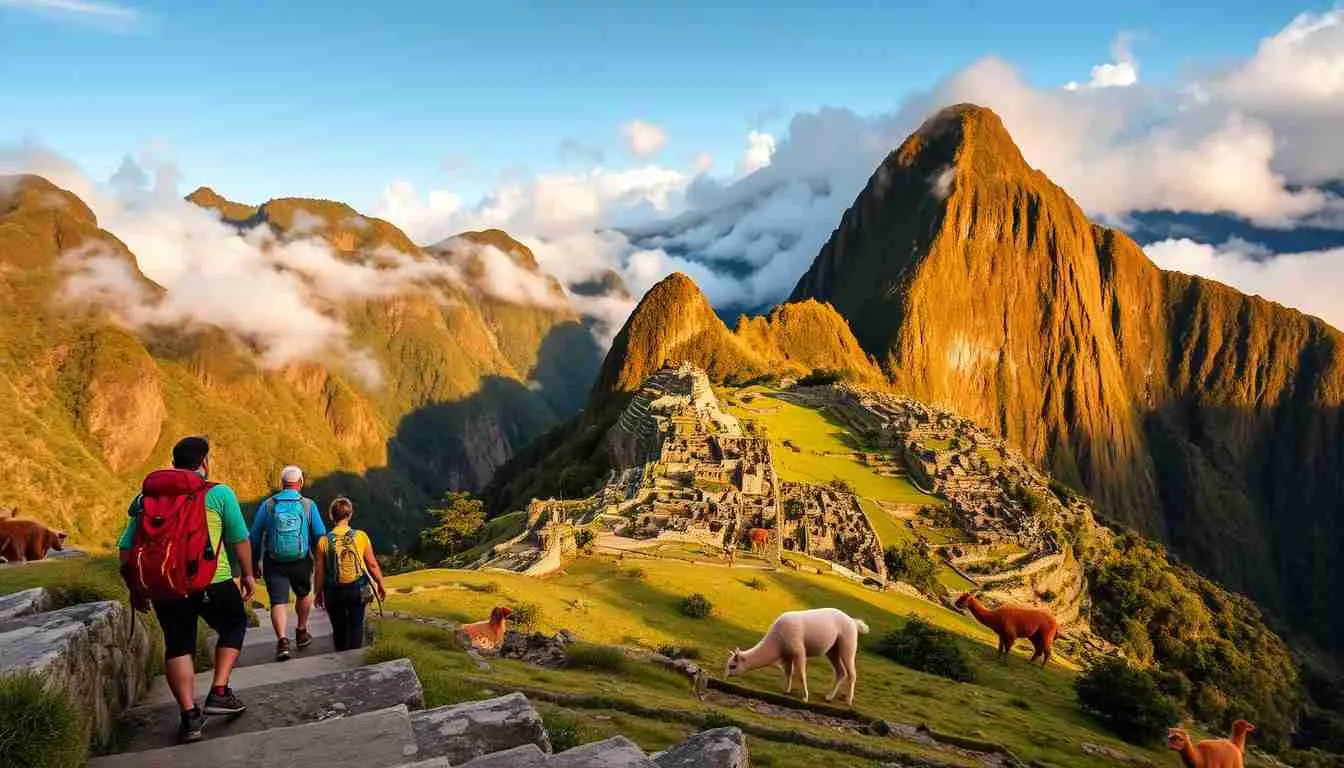
Twelve kilometres of cloud forest by morning, the Sun Gate by afternoon.
Compare fares, pick the fit — all bookings are mobile-voucher and eligible for free cancellation where shown.
48 hr
48 hr
48 hr
For the 2 day inca trail hike to machu picchu, the key choice is not a separate trek tier but the on-site circuit paired with your llaqta ticket. Most first-time visitors compare the classic circuit against the panoramic and royal variants, because they shape whether you focus on the central ruins, upper terraces, or a summit add-on.
|
Top pick Circuit 2 Classic designed route |
Circuit 1 Panoramic terrace route | Circuit 3 Royal route with summit add-ons | |
|---|---|---|---|
| Route/circuit included | Core llaqta loop | Upper terrace circuit | Royal circuit with peak options |
| Main viewpoints and stops | Temple cluster, main plazas | Terrace overlooks, entry views | Waynapicchu or Huchuypicchu options |
| Whether it includes upper or classic terraces | Classic terraces | Upper terraces | Both, plus summit variants |
| Maximum stay/time on route | Ticketed time slot | Ticketed time slot | Ticketed time slot |
| Who it suits | First-time visitors | View-focused visitors | Fitness-minded hikers |
| Best for | Balanced first visit | Simple panoramic visit | Add-on summit seekers |
| See tickets & prices |
Verdict: If you want the most practical 2 day inca trail hike to machu picchu tickets choice, pick Circuit 2 for the standard first-visit experience, Circuit 1 for terrace-heavy views, or Circuit 3 if you want a summit add-on and do not mind a tougher route.
Worth it for time-poor hikers, not train-only travelers
The 2 day inca trail hike to machu picchu buys you the one thing a train ticket cannot: arrival on foot through Inti Punku, the Sun Gate, with the citadel opening up below you rather than appearing at the end of a bus switchback. You walk roughly 12km from KM104 past Chachabamba and the terraces of Wiñay Wayna, then sleep in Aguas Calientes and enter the archaeological park the next morning on a standard 64 PEN foreign adult entry. Compared with the four-day classic, you trade two nights of camping and Dead Woman's Pass for a single moderate day. Short Inca Trail tours pay off for reasonably fit first-timers who want the trekking payoff without a week in Cusco. They are poor value if altitude worries you, if you are travelling with small children, or if you genuinely only want to photograph the ruins — the panoramic train option delivers that for far less effort and money.
Bottom line: If you can walk 12km and want to earn the view, book the 2 day inca trail hike to machu picchu tour; if you cannot, take the train and spend the difference elsewhere.
They serve different travelers: the 2 day inca trail hike to machu picchu is the more immersive and active choice, while the train-and-bus route is faster and easier. Most visitors who do both call the trek the more rewarding experience, but the rail option wins on comfort and flexibility.
|
Top pick Inca Trail |
Train and bus day trip | |
|---|---|---|
| route | Km 104 to Sun Gate | Cusco or Ollantaytambo to Aguas Calientes |
| activity level | Moderate to strenuous | Low, mostly seated |
| typical duration | 2 days, 1 night | Same-day round trip |
| key access point | Inti Punku and citadel | Aguas Calientes station |
| transport included | Trek, shuttle bus down | Train, then bus up |
| best for | Hikers wanting ruins en route | Travelers prioritizing ease |
| booking constraint | Permit-limited, sell out early | Trains sell by timetable |
| scenery style | Cloud forest and terraces | Andean valleys and river views |
| crowd experience | Fewer visitors on trail | More visitors at site |
| price structure | Tour price plus entrance | Train fare plus entrance |
| See tickets & prices |
Verdict: If you want the richer adventure, choose the trek; if you want the simplest way to see Machu Picchu, choose the train-and-bus route.
Hand-picked experiences loved by thousands of travelers
2 days
Free Cancellation
Trek the classic short Inca Trail through the Sun Gate to Machu Picchu, with train travel included.
2 days
Free Cancellation
Hike ancient Inca paths to the Sun Gate and greet Machu Picchu at dawn on this 2-day trek.
2 days
Free Cancellation
Short version of the classic Inca Trail: hike past ruins, sunrise at the Sun Gate, and a guided Machu Picchu tour.
2 days
Free Cancellation
Hike the final stretch of the Classic Inca Trail and enter Machu Picchu through the Sun Gate on foot.
2 days
Free Cancellation
Private 2-day escape from Cusco through Chinchero's markets to Machu Picchu by train.
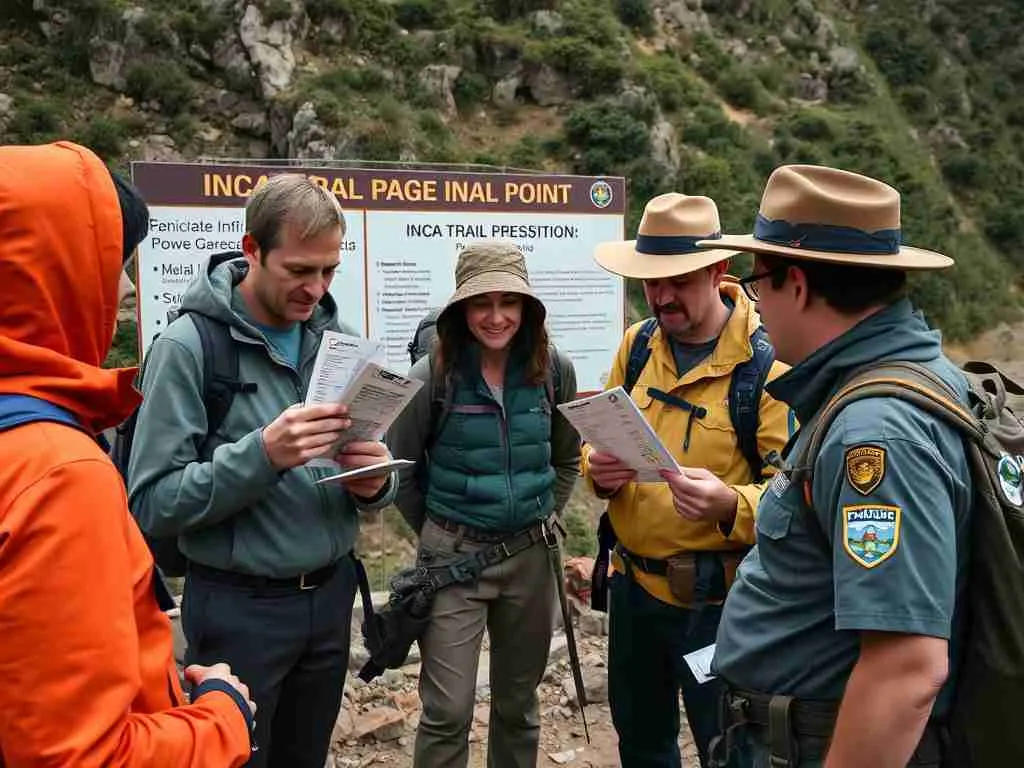
Meet your licensed guide, confirm permits, and review the packed itinerary before departure.
Begin the short Inca Trail segment at KM 104, the classic starting point for the 2-day route.
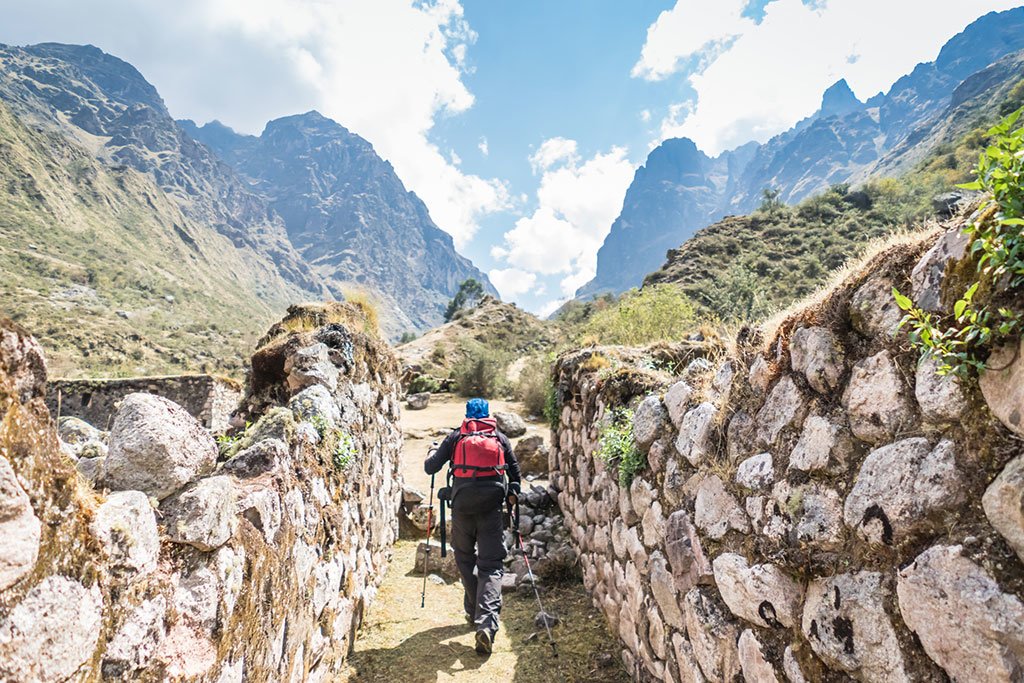
Hike through cloud forest and visit smaller Inca remains on the ascent toward the main route.
Reach the Sun Gate approach and prepare for the first full view of Machu Picchu.
Explore the archaeological park with your guide, focusing on the circuits and the main monuments.
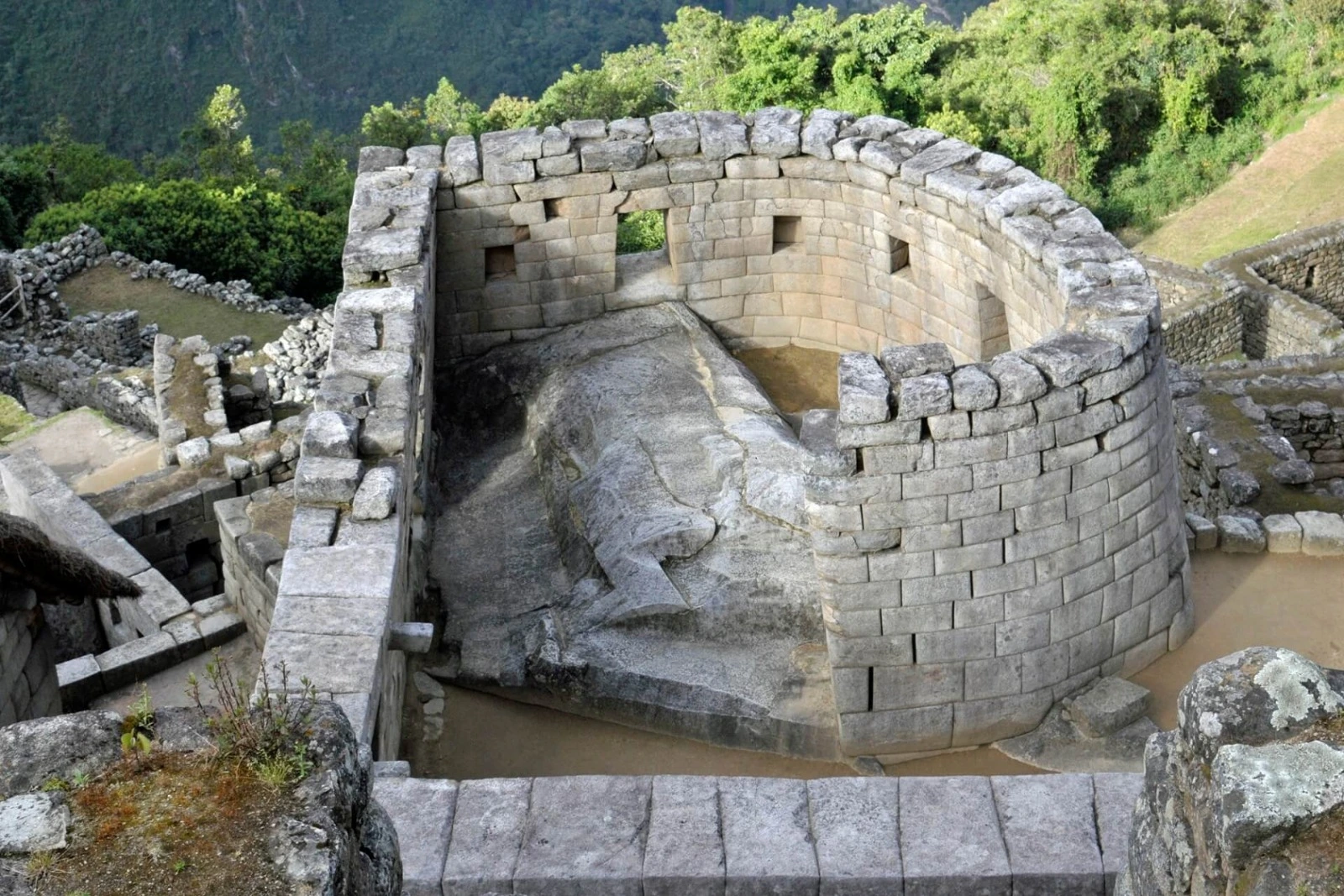
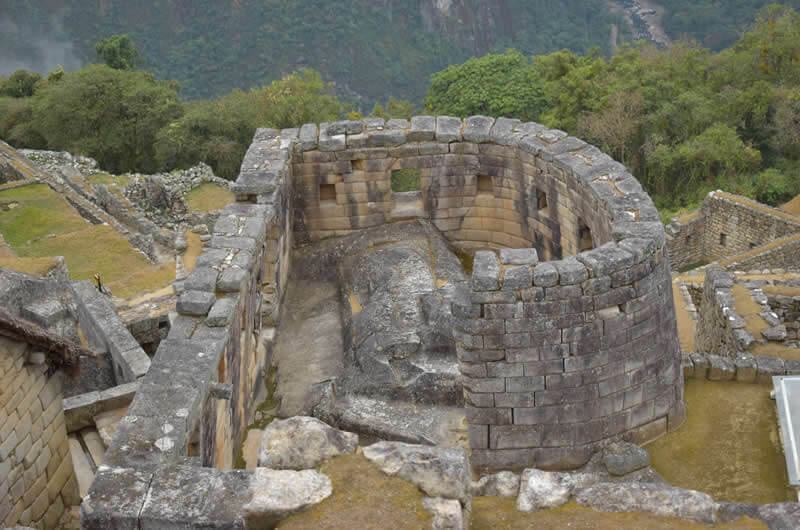
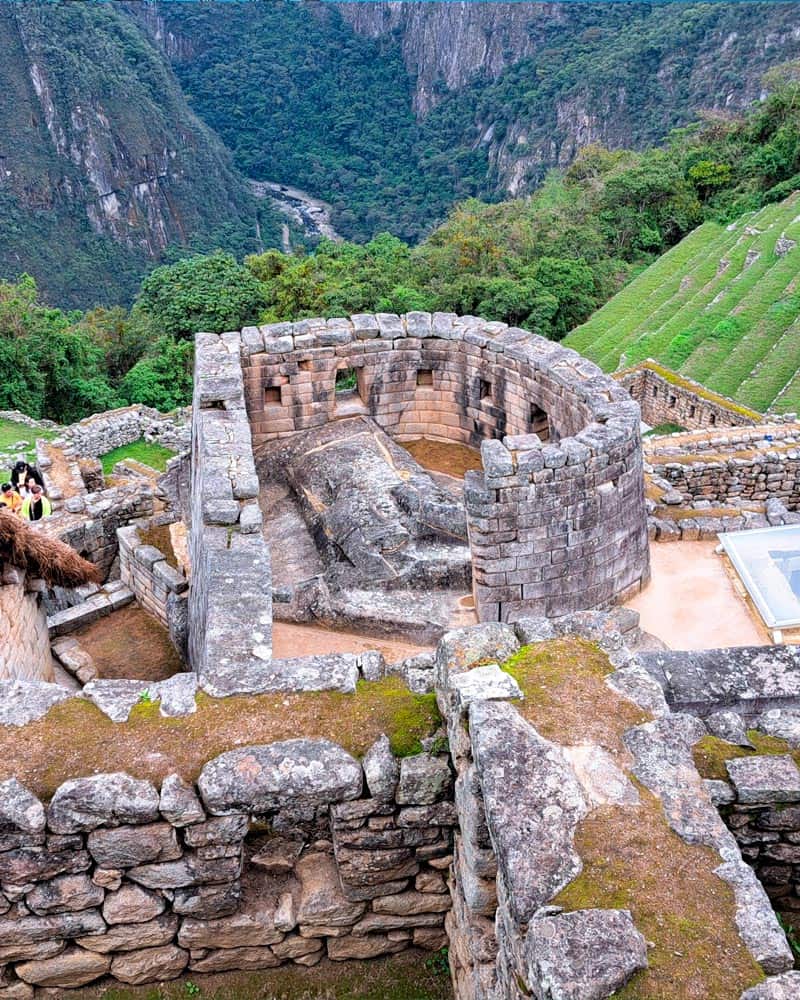
A curved ceremonial structure tied to elite ritual use and solar alignment. Its stonework is among the most precise in the park, and the compact room geometry makes it easy to see how light and shadow were controlled. The structure sits within the upper ceremonial zone, where the architecture feels deliberately ordered.
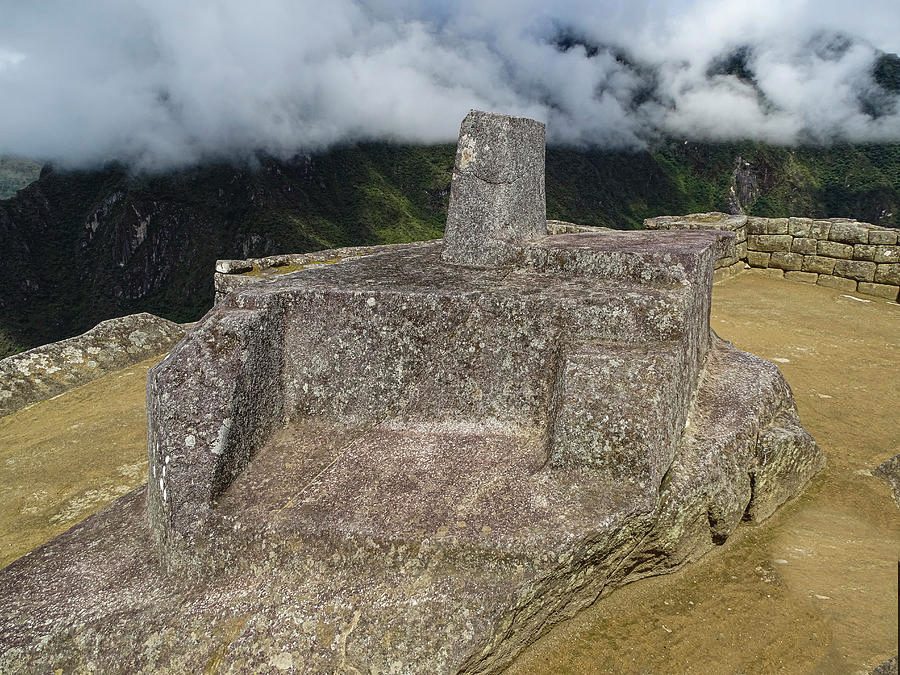
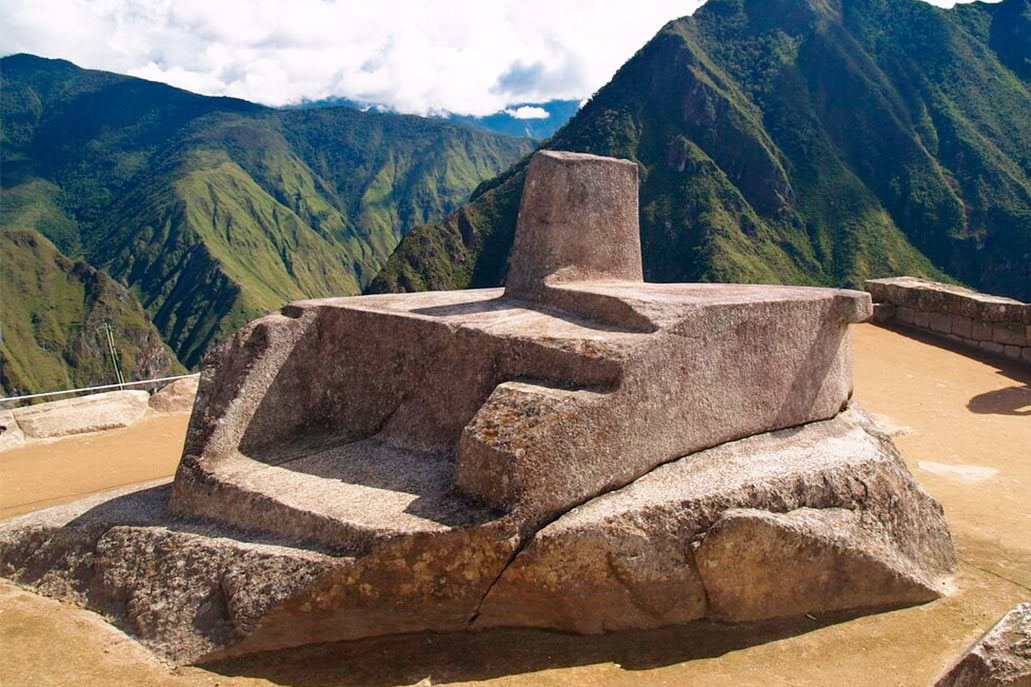
This carved ritual outcrop is often discussed as a solar marker, making it one of the site’s most interpreted features. The stone stands on a high point with broad valley views, which helps explain its ceremonial and astronomical associations. It is a small object with outsized importance in Inca heritage narratives.
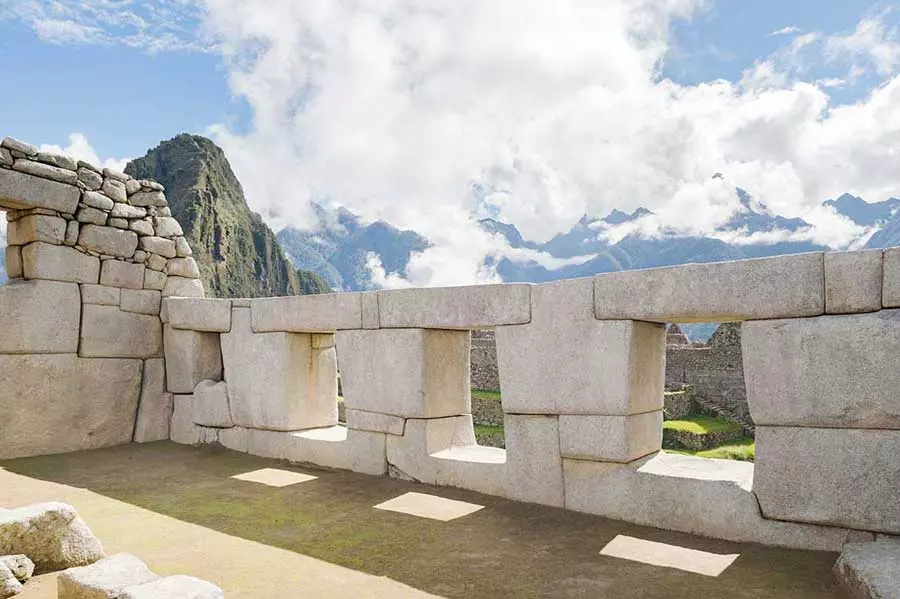
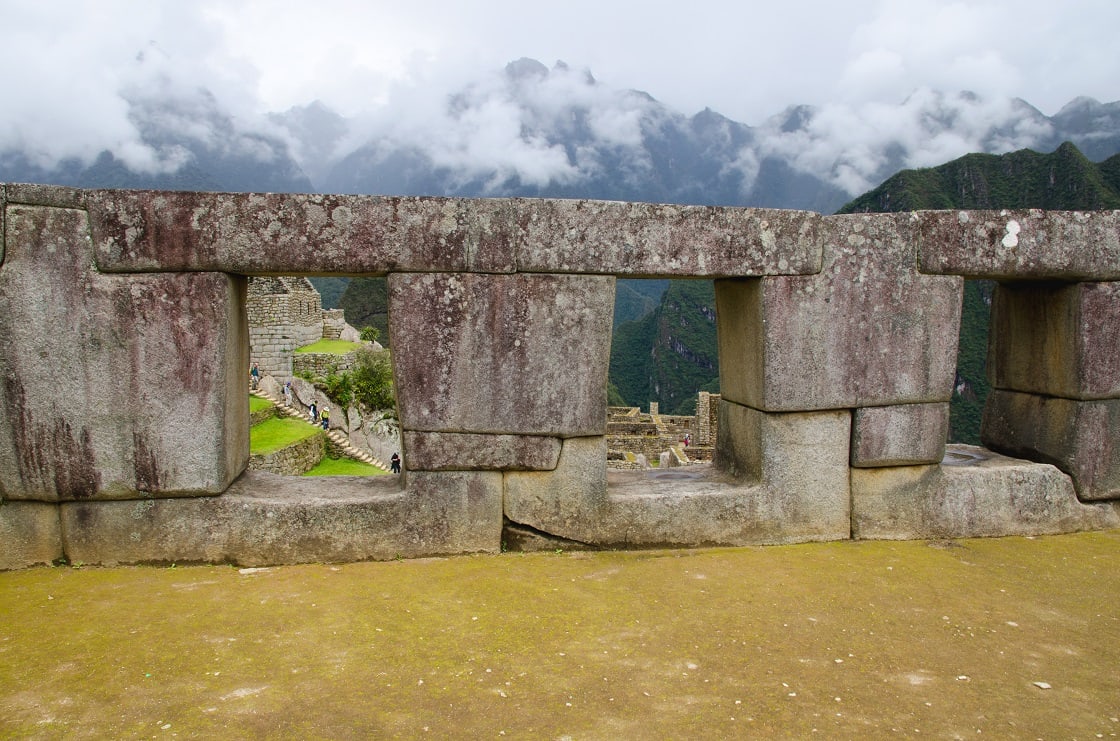
The three-window wall is a classic example of Inca ashlar masonry and formal design. Its openings frame the Sacred Plaza and give the space a ceremonial focus that is both architectural and symbolic. The structure is compact, but it anchors one of the best-known compositions inside the citadel.
This broad open space links major public and ritual buildings, showing how the site functioned as a planned civic center. The plaza helps visitors read circulation, hierarchy, and sightlines across the complex rather than seeing isolated ruins. It is one of the clearest places to understand the site’s urban planning.
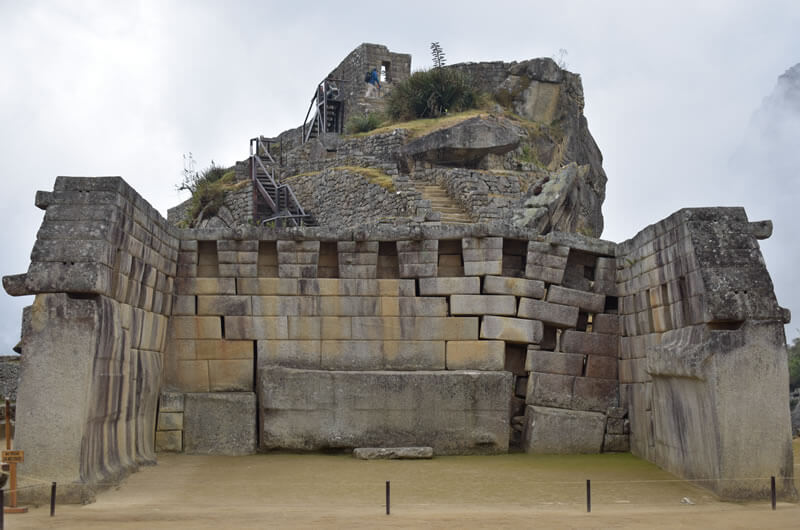
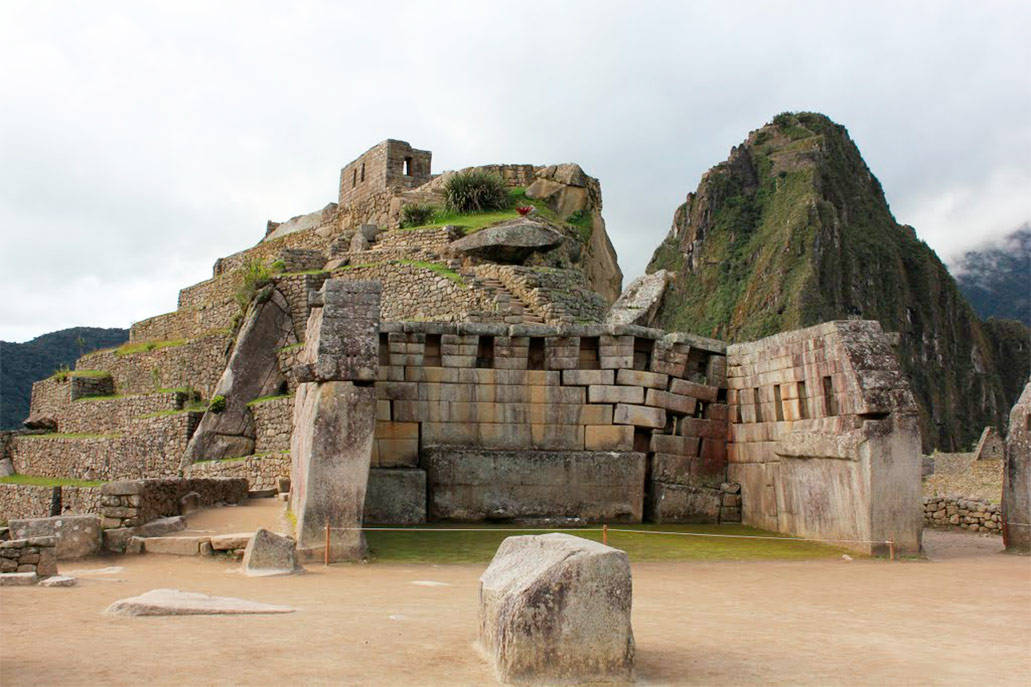
The Main Temple is a formal stone building associated with important gatherings and ritual use. Its clean masonry and careful alignment reflect the elite construction techniques that define the citadel. Even without grand scale, it stands out because of the precision of the blocks and joints.
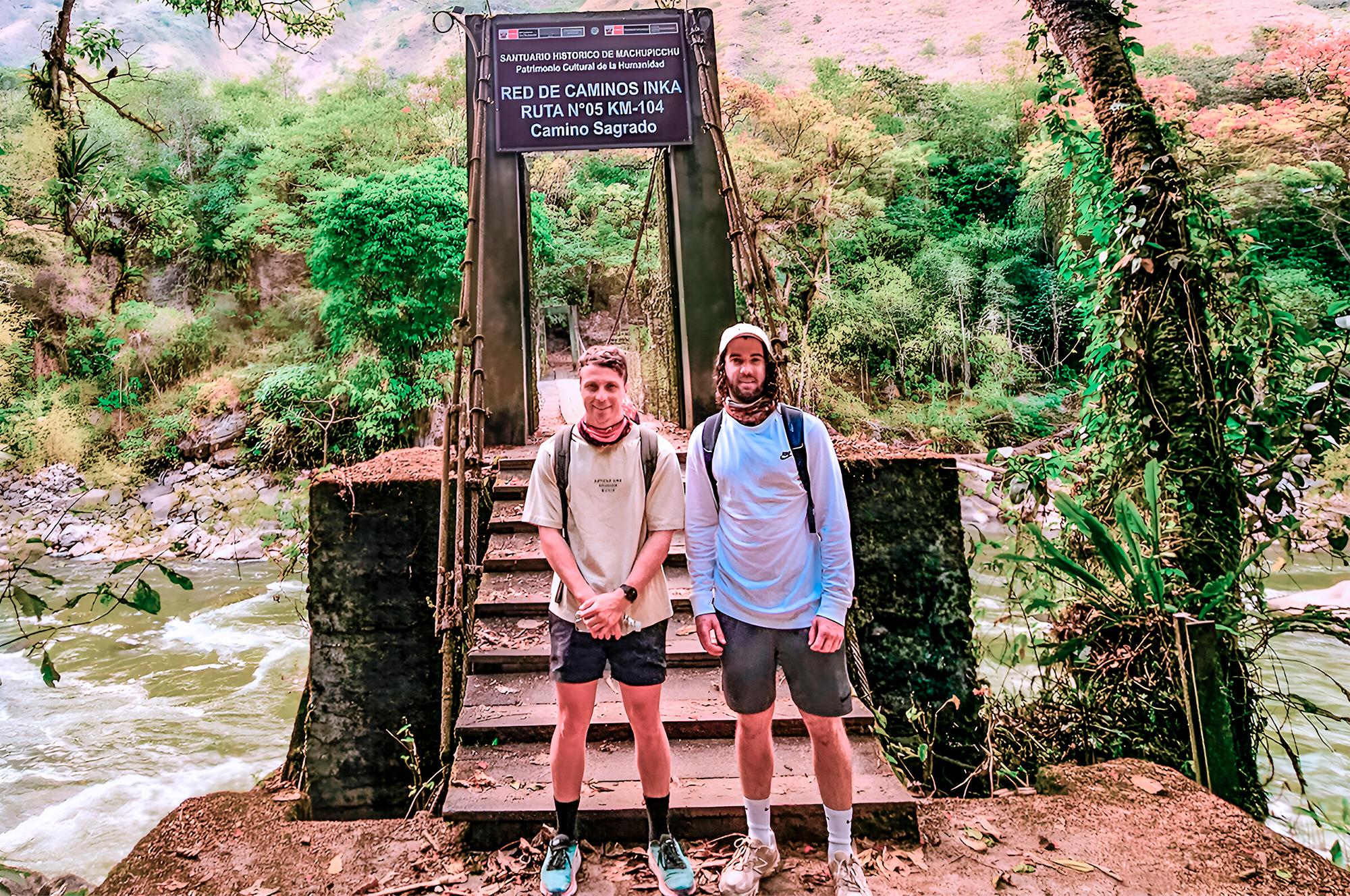
The day starts in the dark at Ollantaytambo station. You board a train down the Urubamba gorge and step off ninety minutes later at an unmarked halt: kilometre 104, no platform, no village. Your 2 Day Inca Trail Hike to Machu Picchu tickets are checked at the control hut across the footbridge, passport in hand.
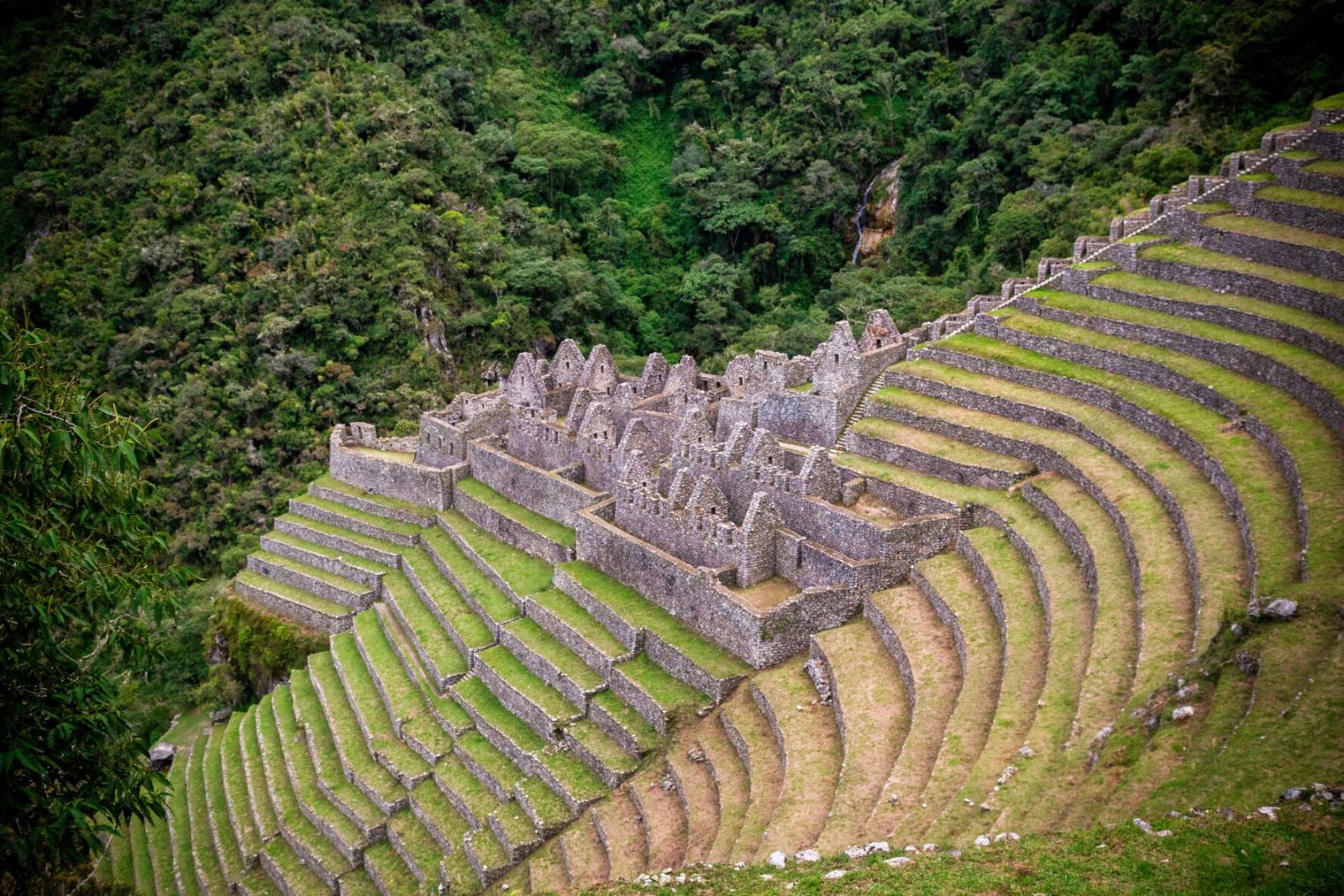
Chachabamba comes first, ten minutes in, its carved baths still running with water. Then the climb: around 700 metres of ascent over six kilometres, switchbacks under tree ferns, hummingbirds working the flowers at head height. You stop where the forest thins and the river shows as a brown thread far below. Wiñay Wayna arrives in the fourth hour, fifty terraces stacked on the slope, and you eat lunch sitting on the upper wall.
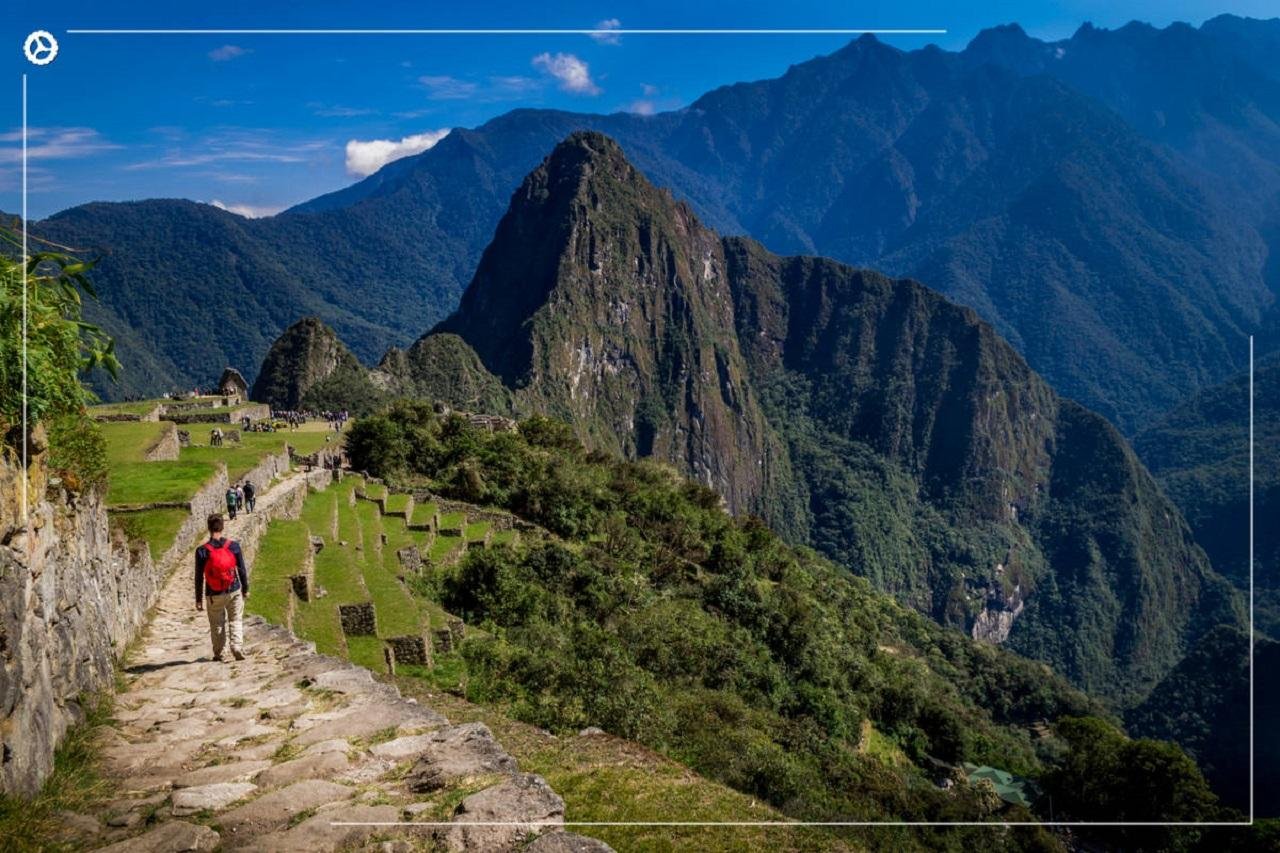
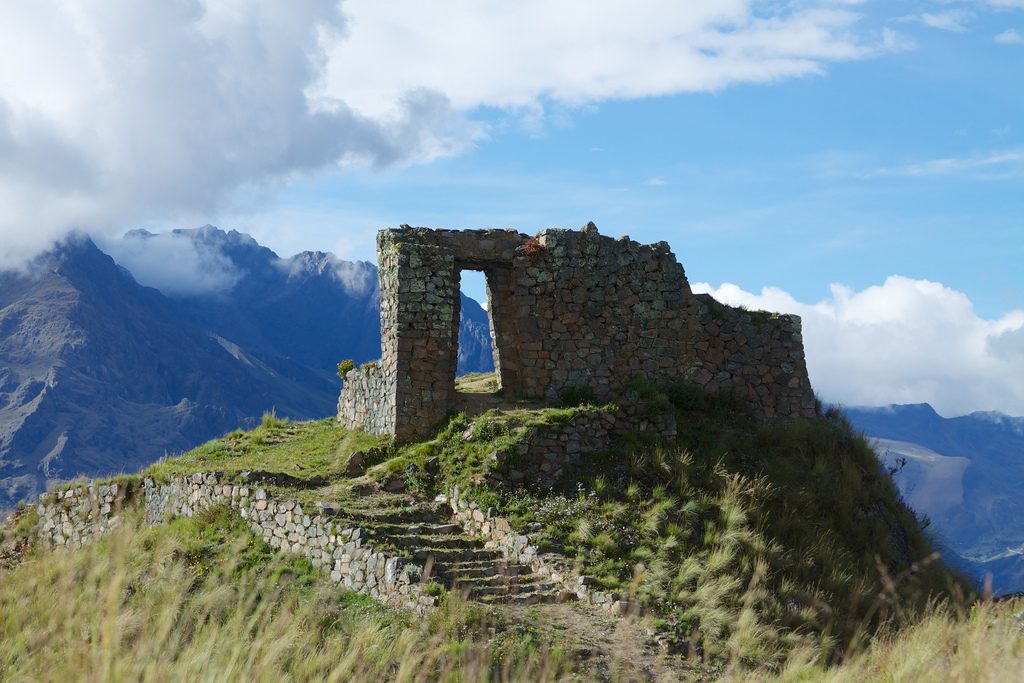
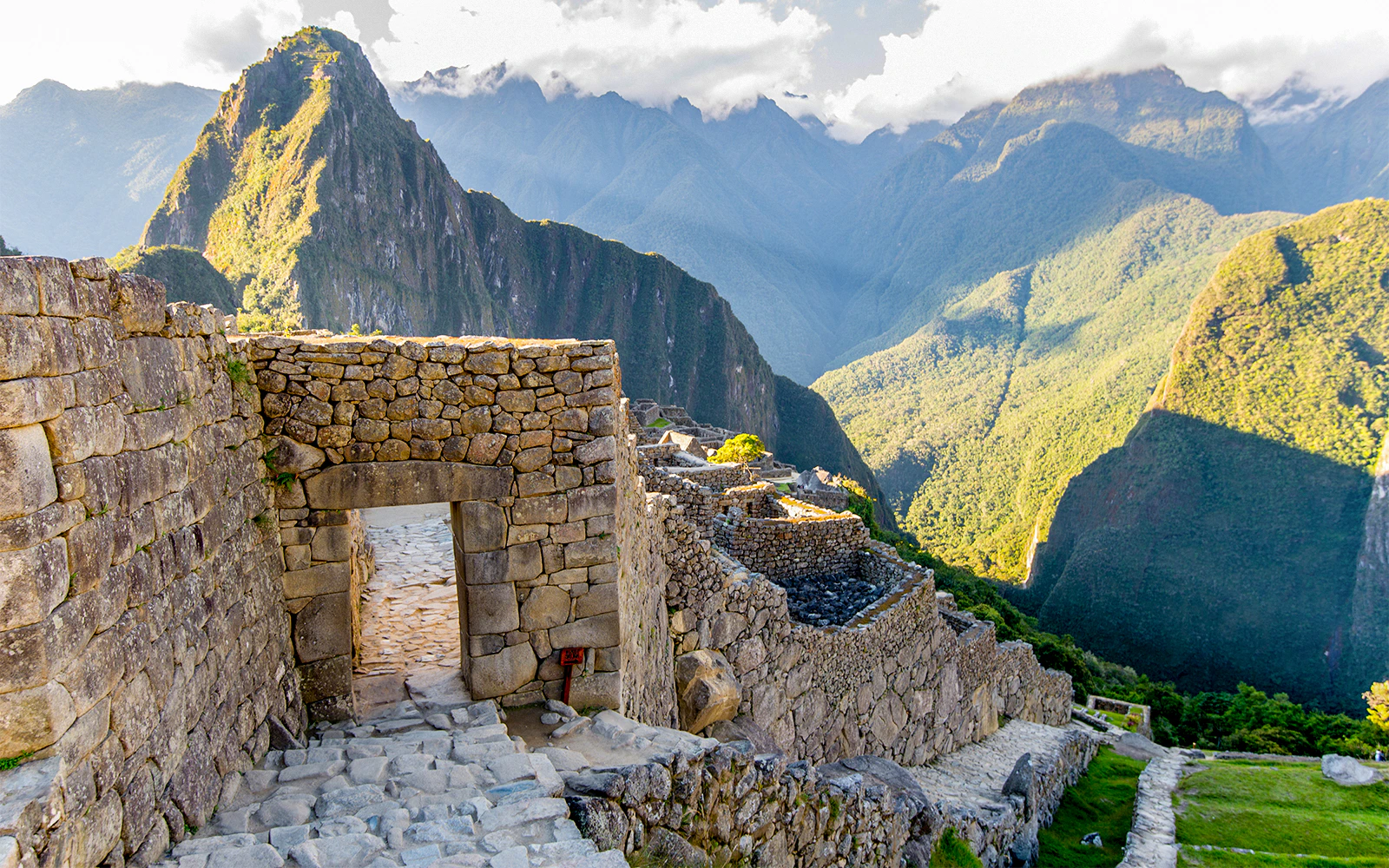
The last stretch runs level, then lifts in a short flight of stone steps to Intipunku. The ruins appear below, small and complete, and you look at them for a while before walking down. A bus carries you to Aguas Calientes for the night. Next morning you go back up early, when the gates open at 06:00 and the terraces are still cold and largely empty. A guide walks you through the Temple of the Sun and the Sacred Plaza. By afternoon the Vistadome or panoramic train is taking you back down the valley.
All the details about your upcoming adventure in one place
The Inca road system once ran to roughly 40,000 kilometres of engineered causeway across six modern countries. The section that carries most walkers today measures twelve.
That short corridor, the spine of the 2 Day Inca Trail Hike to Machu Picchu tours that leave Ollantaytambo before dawn, begins at railway kilometre 104 and ends at a stone gate set into the ridge above the citadel.
Pachacuti's masons laid the route in the fifteenth century as a ceremonial approach rather than a supply road, which is why it climbs when a river path would have been easier. Hiram Bingham's 1911 expedition reached the citadel from the valley floor and missed the corridor entirely; surveyors only mapped and cleared it decades later. What survives is a graded causeway of fitted granite cut into the eastern flank of the Vilcabamba range, threading cloud forest that holds bromeliads, tree ferns and more than 400 recorded orchid species.
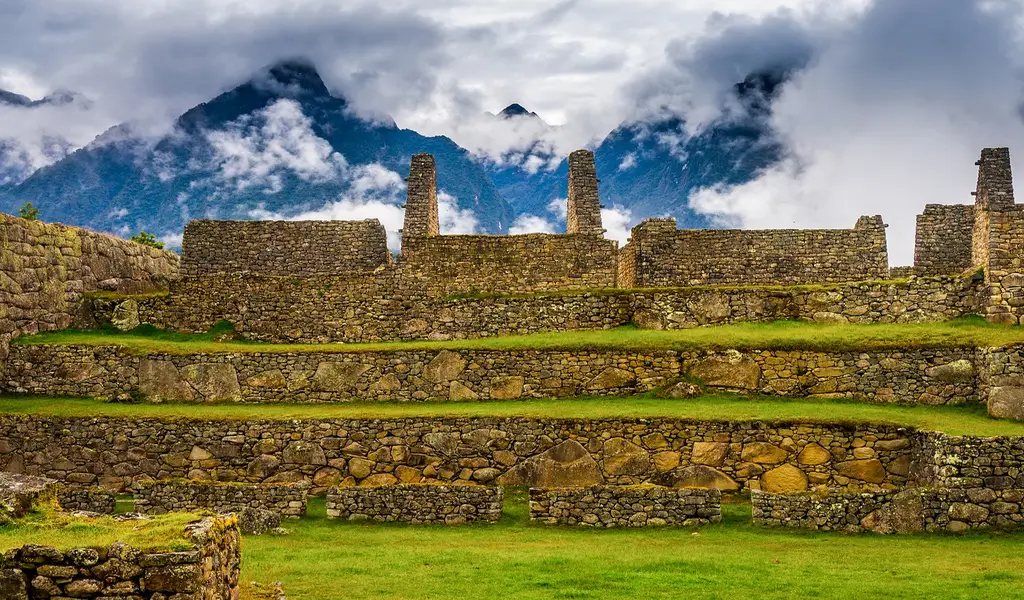
Two sites give the walk its structure. Chachabamba, a riverside ritual complex at 2,170 metres, sits a few minutes past the Urubamba footbridge: carved baths fed by channelled spring water, unrecorded by archaeologists until 1940. Wiñay Wayna, several hours higher, terraces a near-vertical slope with roughly fifty agricultural platforms and a run of ten fountains descending the hillside in sequence. Its name means "forever young" in Quechua, after the orchid that grows on the retaining walls. Both were built without mortar, iron tools or wheels, and both drain so efficiently that the terraces have held through five centuries of Andean rain.
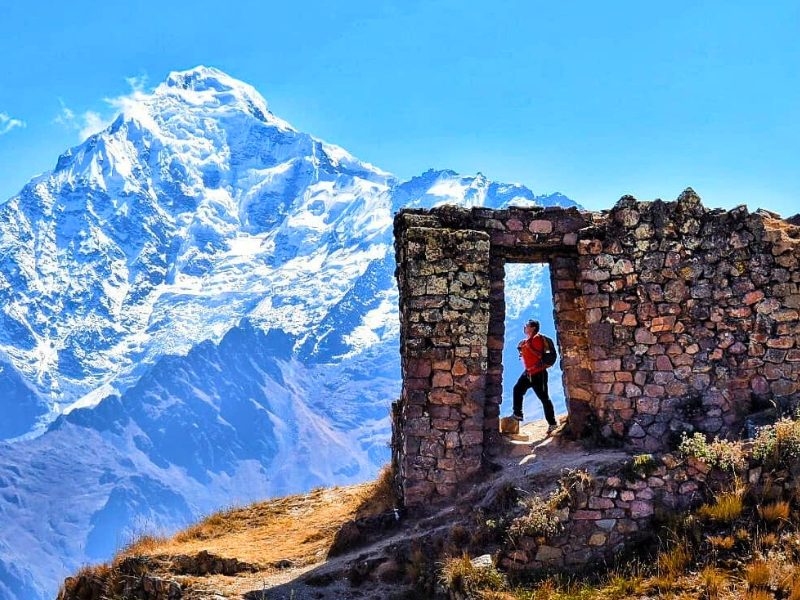
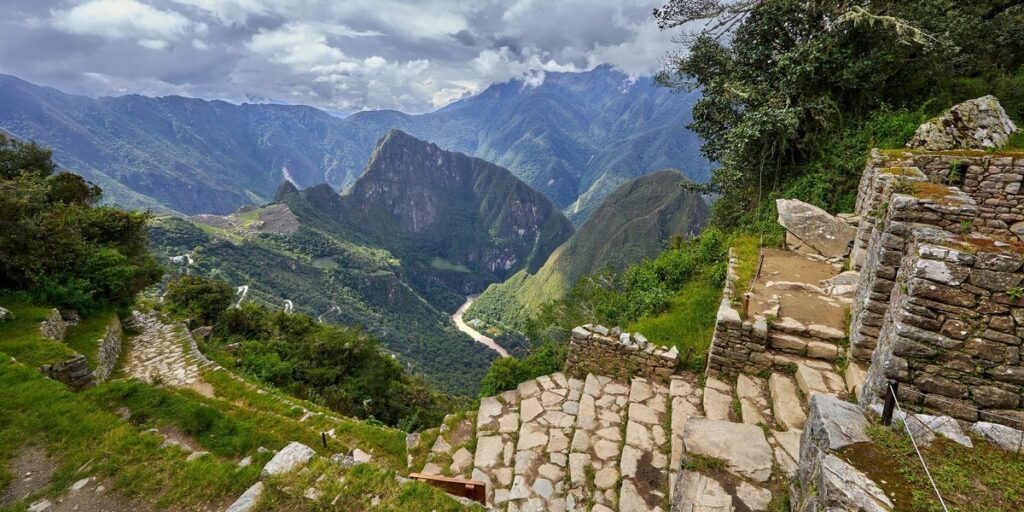
The corridor matters now for a reason its builders would recognise. Machu Picchu Archaeological Park is a UNESCO World Heritage site, and access along this stretch is capped by a daily permit quota administered from Cusco, which keeps the path closer to its intended scale than the road below. Walkers on the short Inca Trail trek — the Camino Inca corto — climb through four distinct forest bands, pass Inca-era stonework cut straight from the slope, and reach Intipunku, the Sun Gate, at 2,720 metres. The gate is a doorway of dressed stone aligned so the citadel sits square in its frame, terraces and all, with Huayna Picchu behind. Arriving by train places a visitor at the foot of the site; a 2 Day Inca Trail Hike to Machu Picchu tour places them above it, on the axis the architects drew.
Arriving by train places a visitor at the foot of the site; the short Inca Trail places them above it, on the axis the architects drew.
Wear sturdy closed-toe hiking shoes, light layers, and rain protection; the route is a high-altitude trek with steep stone steps and variable weather. Loose clothing that dries quickly works best for the cloud forest around the Inca Trail and the Machu Picchu citadel.
Backpacks, bags, or purses larger than 40x35x20 cm are prohibited inside the llaqta, so keep your daypack compact. Security checks are enforced at entry, and prohibited items can trigger immediate expulsion without reimbursement.
Handheld photography is generally allowed, but tripods, monopods, selfie sticks, and other stabilization accessories are prohibited. Drones are not part of the permitted visitor routine at Machu Picchu, so plan for standard stills and phone video only.
Families can do the 2 day inca trail hike to machu picchu if children are fit hikers and comfortable with long days at altitude. Strollers are not permitted, and the site layout is tiring for young children because of stairs, terraces, and uneven footing.
The 2 day inca trail hike to machu picchu is not a wheelchair-friendly experience because the route and the citadel include steep climbs, uneven stone paths, and narrow passages. Visitors with limited mobility should expect substantial stair use and limited rest points.
Food and kitchenware are prohibited inside the llaqta, so eat before entry and rely on the trek operator’s meal plan during the hiking portions. Carry water in a suitable container and expect to manage snacks outside the archaeological core rather than inside it.
Early entry is quietest
Standard visitor flow
Midweek crowd levels moderate
Good for sunrise timing
Later arrivals busier
Heaviest weekend demand
Arrive early for fewer queues
Opening hours
Monday–Sunday 06:00–17:30
Address
Machu Picchu Archaeological Park, Aguas Calientes, Machupicchu, Cusco, Peru
Entry fee
64 PEN for foreign adults, general entry
Best arrival window
06:00–07:00 for best light and fewer crowds
Official site
https://www.machupicchu.gob.pe/
Public transport · Varies by rail and bus fare
From Cusco, most travelers use rail connections toward Aguas Calientes, then continue by bus up to the archaeological park. The approach from Aguas Calientes to the entrance is commonly quoted at about 30 minutes by bus.
Taxi · Local transfer pricing varies
Taxis are useful only for local transfers inside Cusco or to rail stations such as Ollantaytambo; they do not replace the final access to the trail or citadel. Use them as a first-mile connector, not as the main route to Machu Picchu.
Walk · No direct cost
The 2 day inca trail hike to machu picchu itself is the walking route, so the “walk” option is the core product rather than a transfer mode. The final approach from Aguas Calientes to the entrance is steep and usually handled by bus rather than on foot.
Car · Station parking only
Private cars cannot take you into the archaeological park or along the trail, but they can be used to reach Cusco, Ollantaytambo, or other rail stations before the trek begins. Parking is therefore a station-level issue, not an on-site one.
Policies vary by operator, but any supplier handling the 2 day inca trail hike to machu picchu should state the refund window before payment. For the official entry ticket, the 64 PEN foreign-adult general entry fee is a separate government charge and is normally not refundable once issued.
Recommended time
Half a day
For a 2 day inca trail hike to machu picchu, budget half a day for the citadel visit itself, plus extra time for the trek arrival, ticket check, and the bus or approach from Aguas Calientes. Once inside, most travelers feel the main loop is tight and efficient rather than sprawling, so the experience is shaped more by your entry slot than by how long you linger. Early morning is the common planning choice because the light is softer and the gate flow is calmer, while later entries can feel busier at choke points and photo stops. If your tour includes one of the 2 day inca trail hike to machu picchu tours, keep some buffer for staggered arrivals and brief queues.
Crowd levels through the day
Weather · crowds · average price — dots go green to amber to red as each metric rises.
March to May is one of the best windows for the 2 day inca trail hike to machu picchu because temperatures are milder and the cloud forest is greener after the wet season. Crowds are usually lower than in peak winter holiday periods, which helps at the Sun Gate and at the citadel.
June to August is dry season, which usually brings clearer views but also the strongest demand for permits and tickets. This is the busiest stretch for the Inca Trail and the classic Machu Picchu circuits.
September to November can offer a good balance of stable weather and thinner crowds than the dry-season peak. Rain becomes more likely later in the season, so pack for changing conditions.
December to February is the wettest period in the Cusco region, with slippery stone steps and more frequent mist in the cloud forest. It can still be scenic, but the trail is less forgiving and weather changes fast.
Permit-controlled routes on the Inca Trail sell out far in advance, especially for the dry-season months. Build your travel dates around the trail permit first, then fit trains and lodging around it.
Keep your daypack under the official size limit and avoid bulky extras. A smaller bag also speeds up checks at the entrance gate.
Temperatures can shift quickly between sun, mist, and wind in the cloud forest. A light layer system is more useful than one heavy jacket.
After the citadel visit, Aguas Calientes is the practical place for meals and recovery. The official visitor center and local services are concentrated there rather than at the ruin itself.
The official circuit system changed in 2024, so confirm which route your ticket covers before you depart. Some routes are seasonal, and the one-way flow matters for how you experience the site.
Small local purchases and transport add-ons can be easier with cash than card. Keep your spending separate from your entrance documents and passport.
High altitude plus walking makes hydration more important than usual. Drink steadily before the climb and during transfer segments, not just once you start feeling thirsty.
Aguas Calientes, Machupicchu, Cusco, Peru
Common transfer point for return logistics
Get directions
Machu Picchu Archaeological Park, Aguas Calientes, Machupicchu, Cusco, Peru
Guide meeting point before the citadel visit
Get directionsMachu Picchu was built around 1450, during the reign of the ninth Sapa Inca, Pachacuti Inca Yupanqui. Most scholars read it as a royal estate rather than a city of commoners. Masons dressed granite quarried on site, fitting ashlar blocks without mortar. Terraces stabilised the ridge; buried drainage channels carried off the rain that falls on this cloud forest saddle. The Intihuatana stone, the Temple of the Sun and the Room of the Three Windows date from this same construction phase. The estate was abandoned by roughly 1572, when Spanish forces ended the neo-Inca state at Vilcabamba. The Spanish never recorded the site, which is why its stonework survived largely intact. Hiram Bingham, a Yale lecturer, reached the ruins on 24 July 1911, guided by the farmer Melchor Arteaga. Local families were already cultivating the terraces. Bingham's expeditions removed thousands of artefacts to Yale; Peru contested the loss for decades, and repatriation was agreed in 2010 and completed in 2012. UNESCO inscribed the sanctuary in 1983. The paved Qhapaq Ñan network that the modern route follows was itself listed in 2014. Anyone weighing a 2 day inca trail hike to machu picchu is walking a fragment of that imperial road system. Regulation followed damage. Uncontrolled camping and erosion in the 1980s and 1990s forced Peru to impose a permit system in 2001, capping daily entries and requiring licensed operators — the reason all Inca Trail tours are now guided. The trail closes each February for maintenance. The shorter Km 104 route, entering by Wiñay Wayna and the Sun Gate, was formalised under the same rules; a 2 day inca trail hike to machu picchu tour therefore carries the same conservation obligations as the classic four-day walk. Machu Picchu landmarks conservation work continues under the site's management plan, monitoring slope stability and visitor load, and permits for 2 day inca trail hike to machu picchu tickets remain limited by law.
Pachacuti orders construction of Machu Picchu as a royal estate on the ridge above the Urubamba.
The site stands abandoned after Spain crushes the neo-Inca state at Vilcabamba.
Hiram Bingham reaches the overgrown ruins on 24 July, guided by farmer Melchor Arteaga.
Yale expeditions clear vegetation and remove thousands of artefacts to the United States.
UNESCO inscribes the Historic Sanctuary of Machu Picchu as a World Heritage Site.
Peru introduces the permit and licensed-guide system after erosion damage to the trail.
Repatriation of the Bingham collection to Cusco is completed under the 2010 accord.
The Qhapaq Nan Andean road network, including the trail itself, gains World Heritage listing.
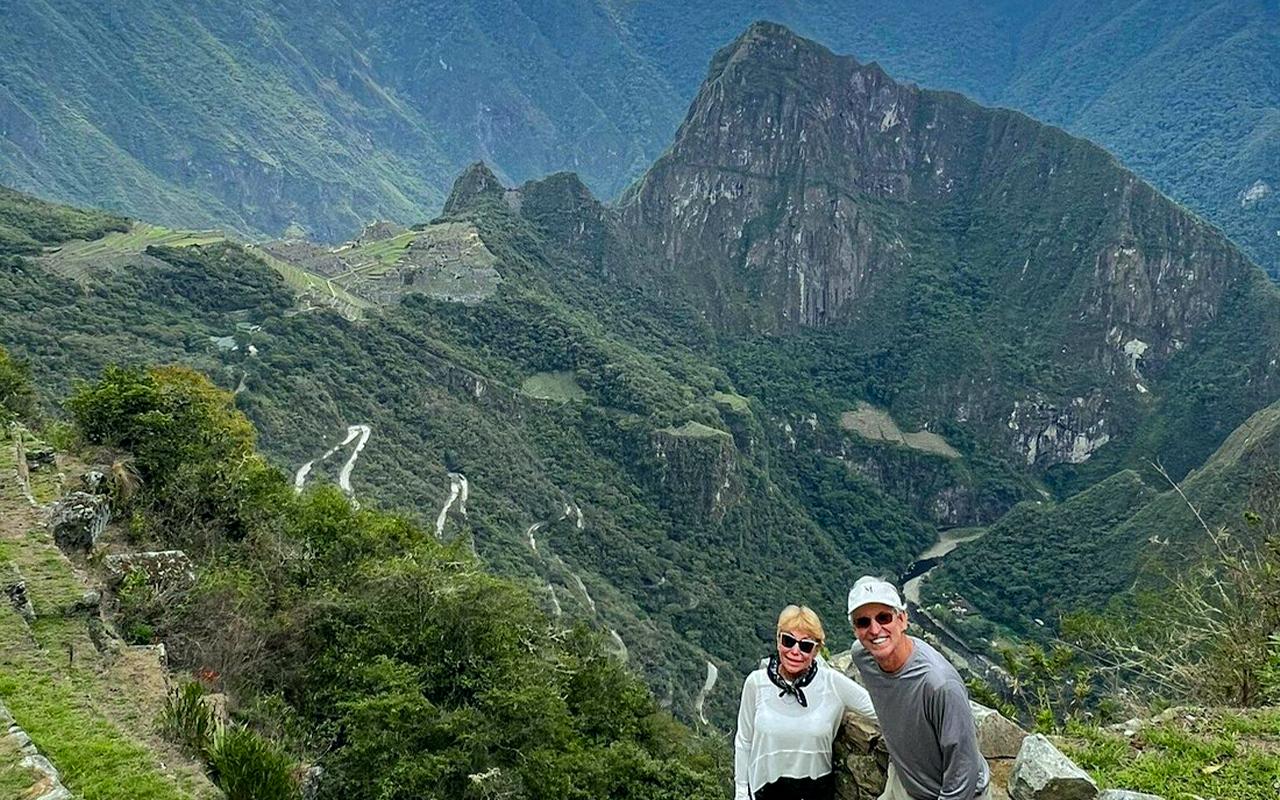
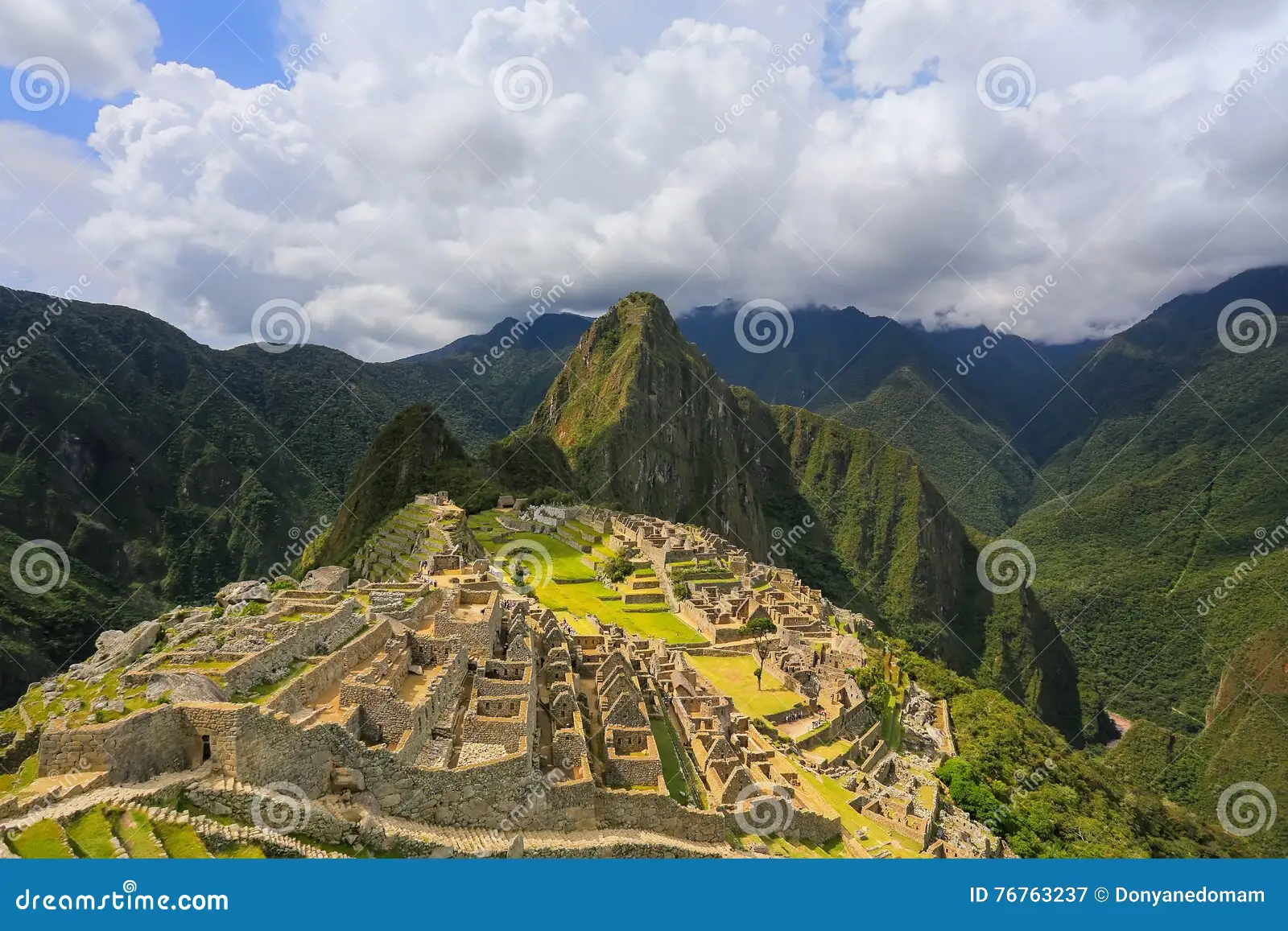
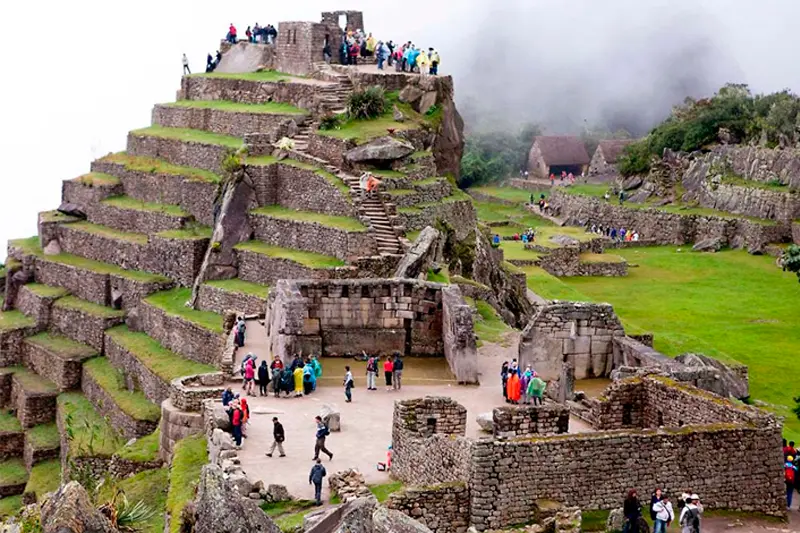
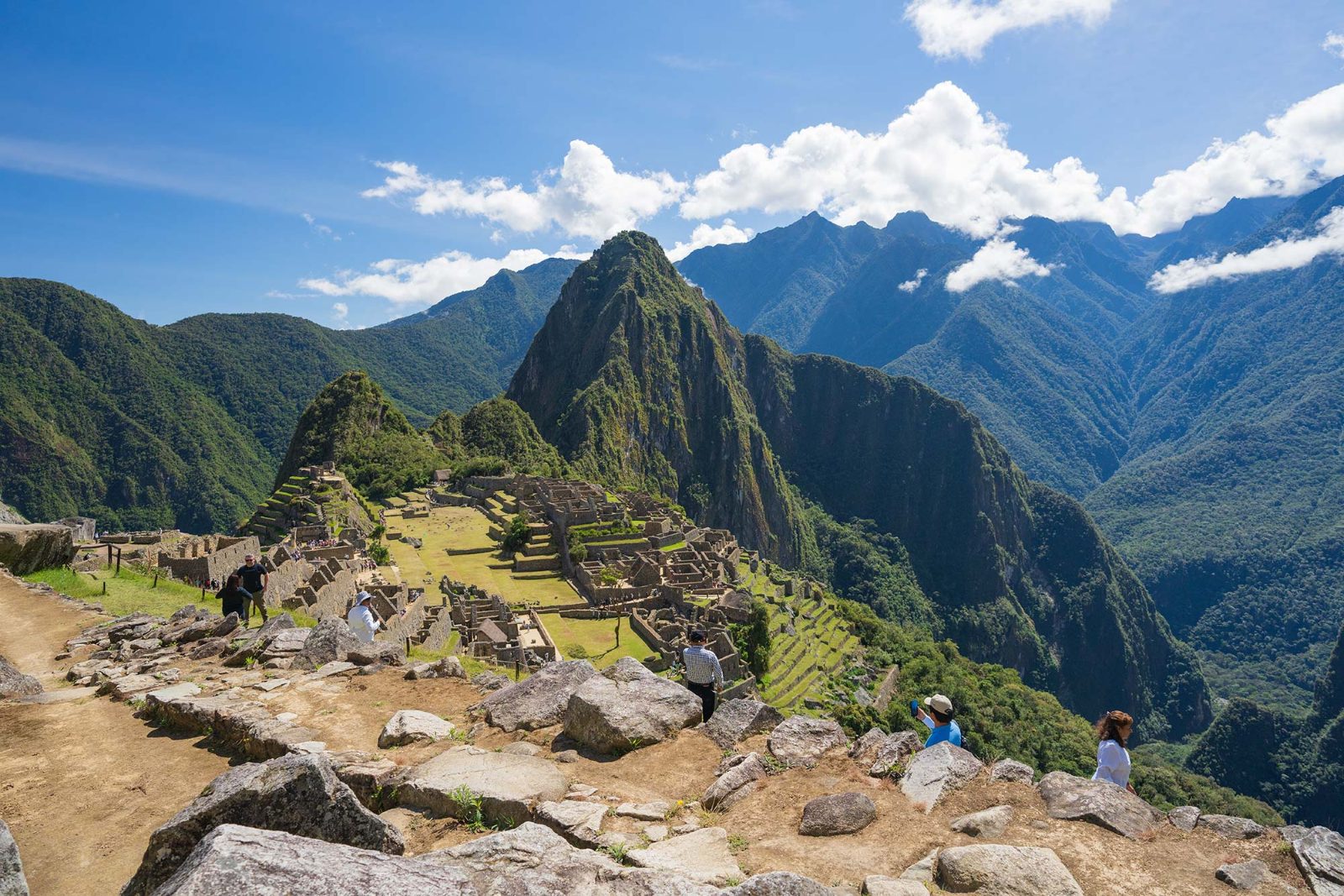
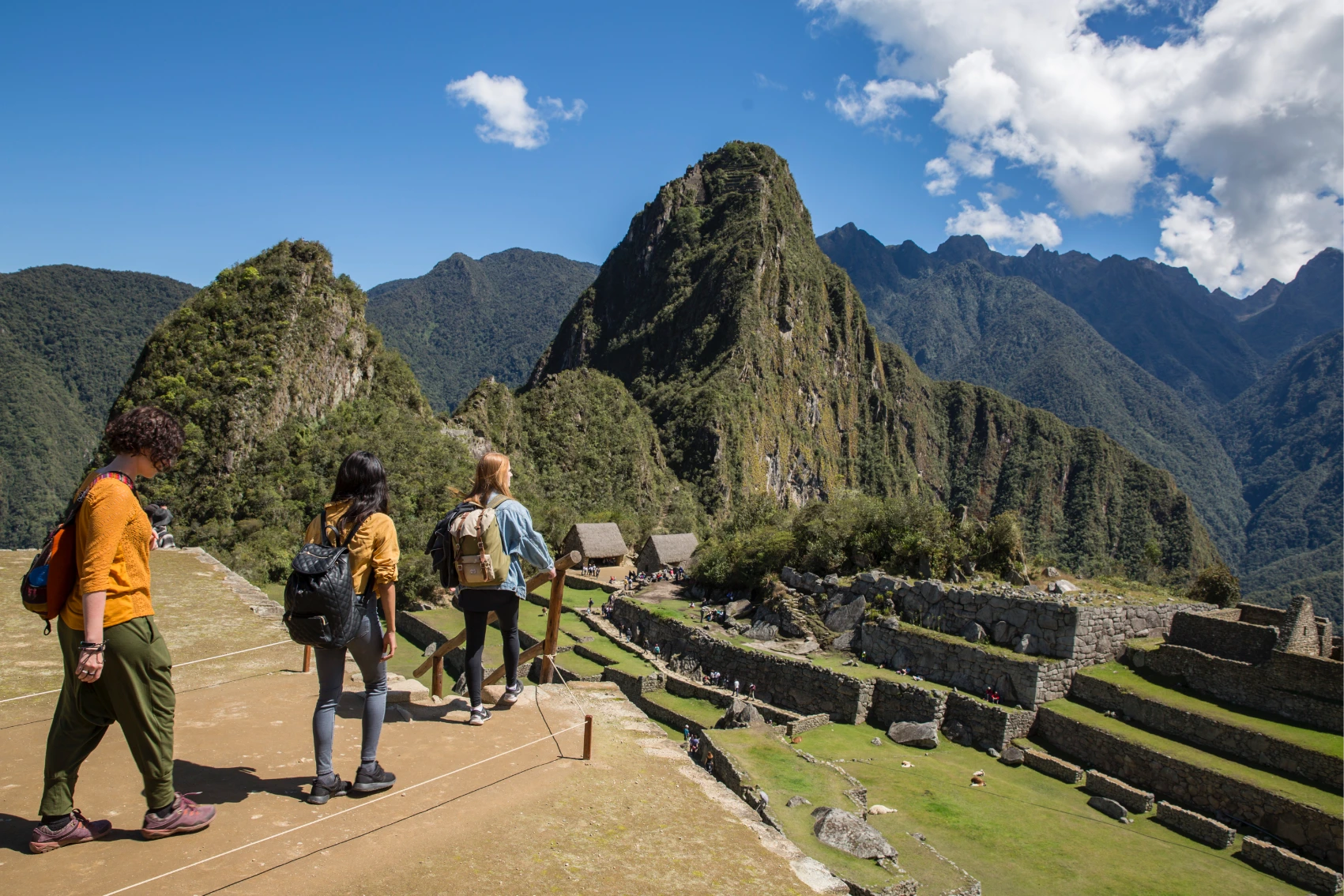
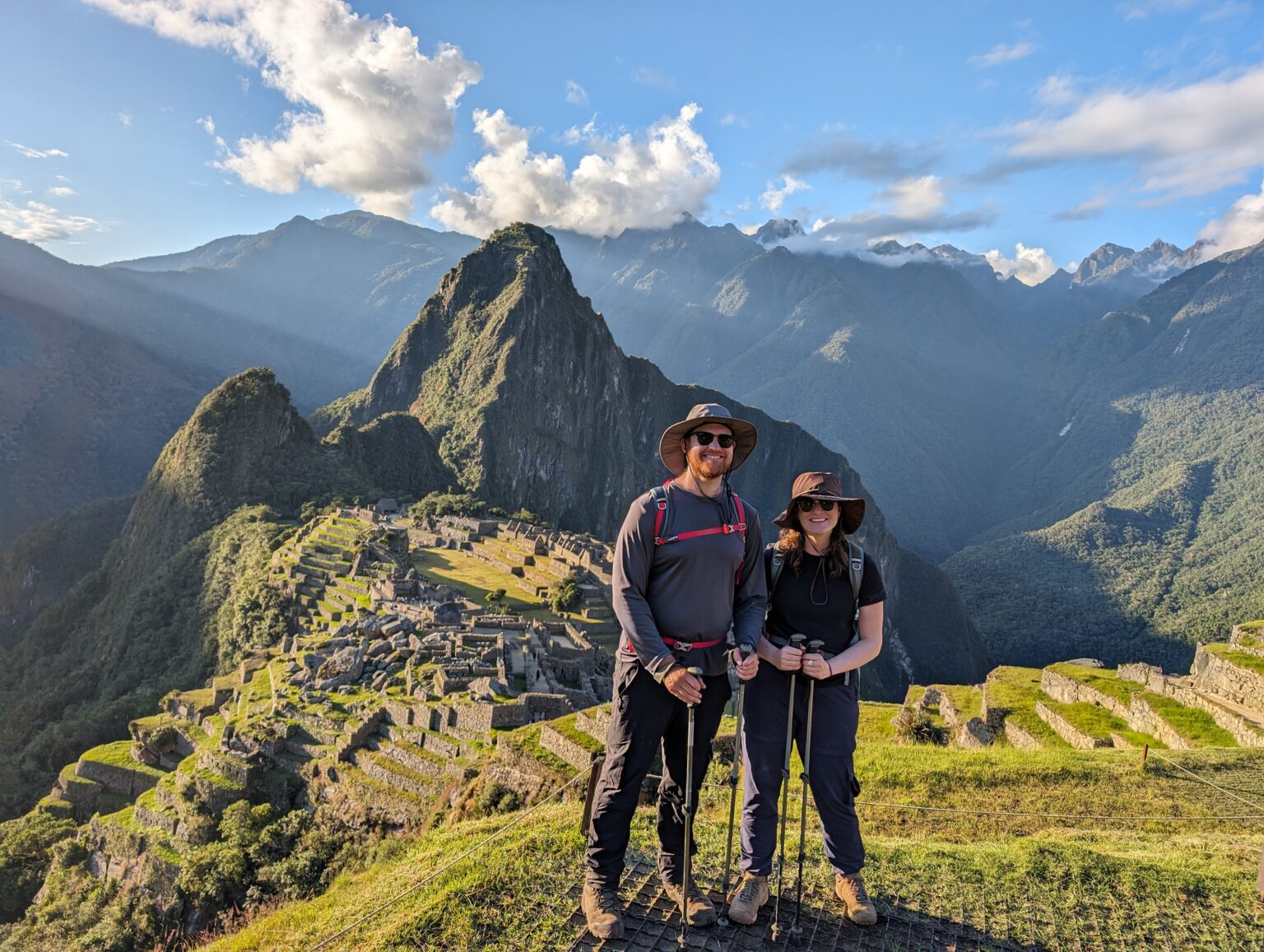
Start here for the classic wide Machu Picchu panorama, with the citadel layered below and mountain ridges behind it. Stand near the terrace edge and keep moving with the group; this is the cleanest framing on the 2 day inca trail hike to machu picchu for a first establishing shot.
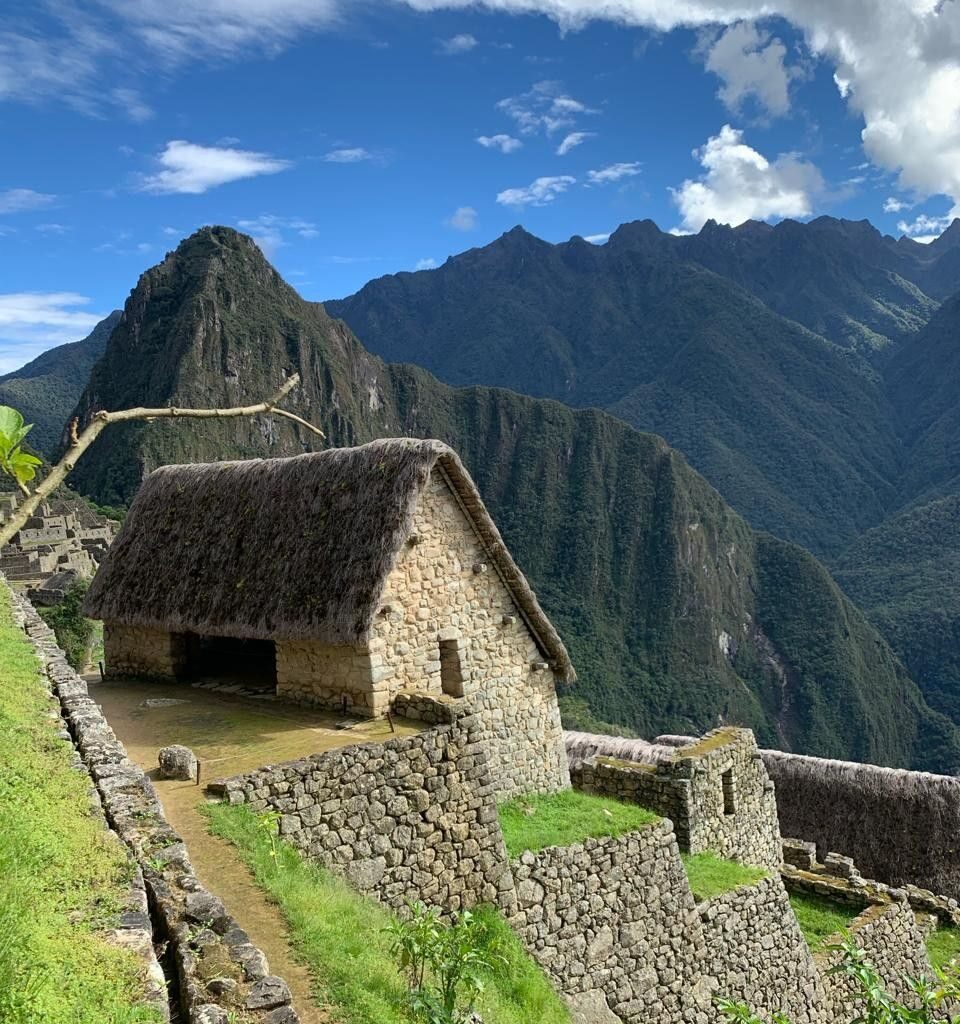
From the Guardian's House area, you get the textbook postcard angle looking down over the main ruins and terraces. It is the easiest place to pause briefly without drifting far from the route, but expect the most people here.
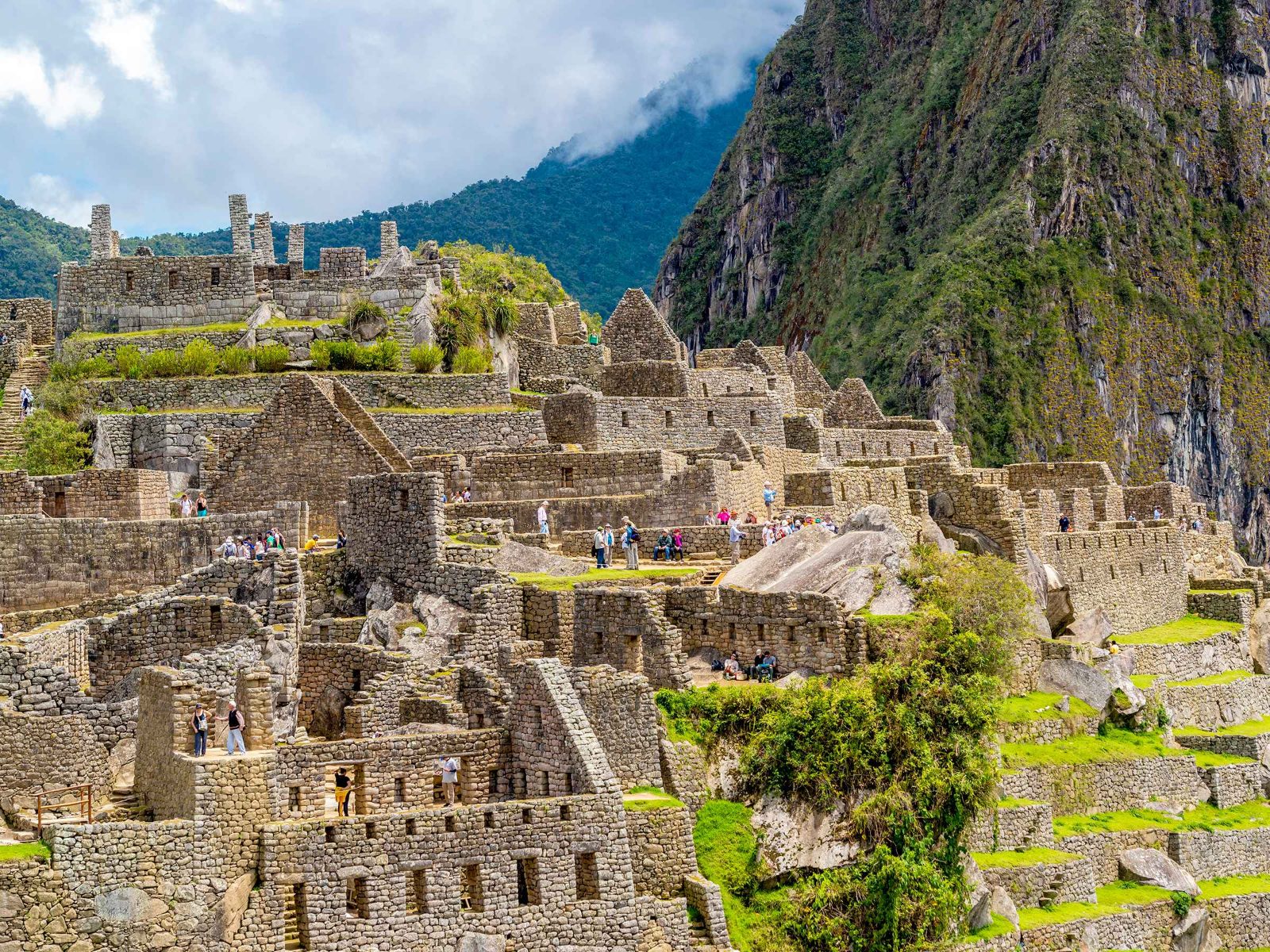
Shoot from the lower edge of the main plaza to capture stone walls, terraces, and the geometric contrast of the urban core. This is a good mid-route stop for detail shots and people-in-scale compositions, especially if your guide is moving steadily.
Look across the curved masonry of the Temple of the Sun for a tighter architectural frame that works well when the site is busy. The angle is best when you stand slightly off-center and use the wall lines to lead toward the mountain backdrop.
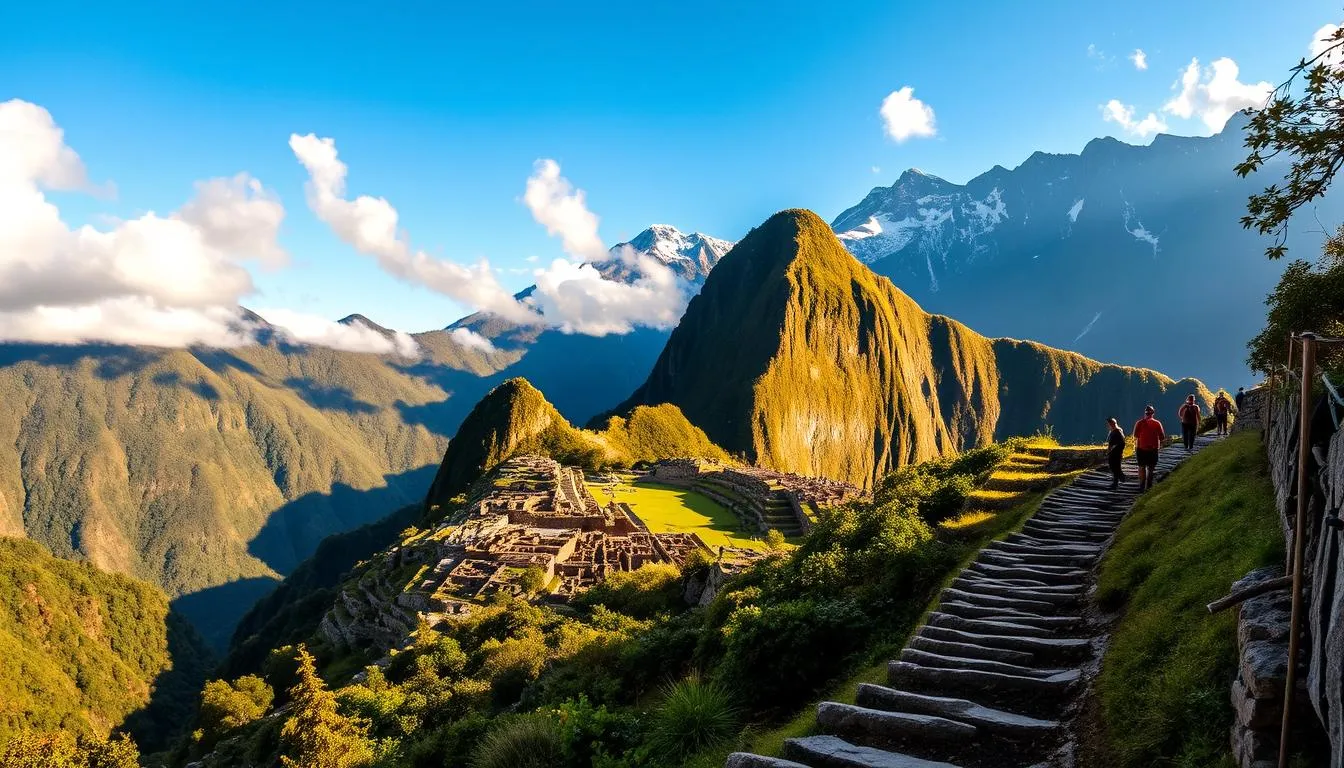
If your route includes Intipunku, shoot back toward the citadel for a high, framed overlook with the trek path in the foreground. This is a strong finish shot on the Inca Trail, but it only works if your circuit reaches the Sun Gate sector.
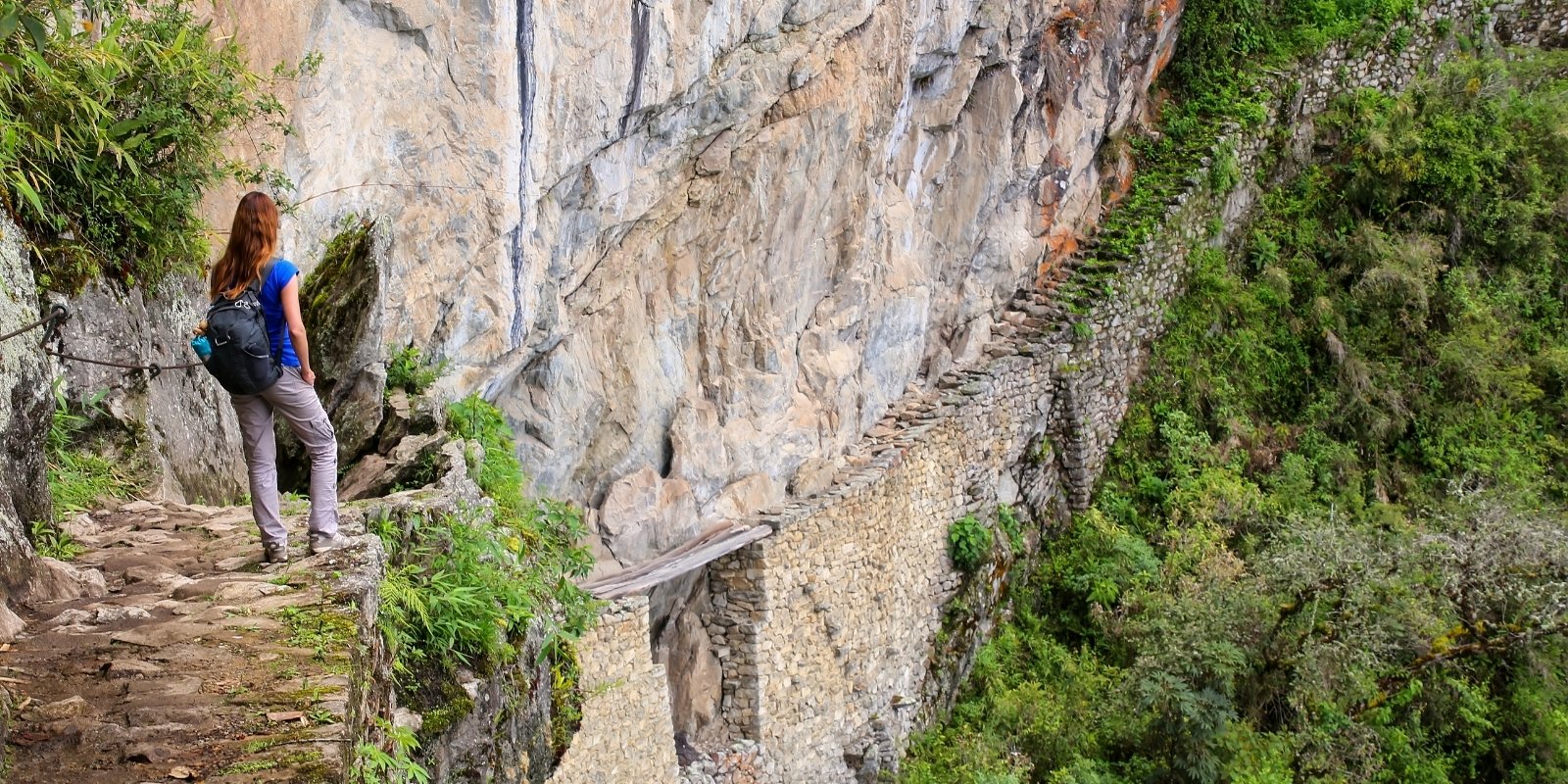
Use the path near Puente Inka for a dramatic side angle of the cliff edge, retaining wall, and narrow trail. Keep this as a quick stop so you do not slow the group; the composition is strongest when the light rakes across the stonework.
The 2 day inca trail hike to machu picchu can work for families with older, steady-footed kids, but it is not stroller-friendly and the final site has strict carry rules. If you are planning the shorter Inca Trail route, pack light, expect uneven stone paths, and treat the visit like a hike rather than a casual sightseeing stop.
Do not plan on a stroller here: the official code of conduct says access with baby strollers is prohibited, so use a carrier or let children walk if they can manage stairs and uneven trail sections.
This fits families with school-age children or teens better than toddlers, because the route is a mountain hike with long walking stretches and narrow paths. If your child tires easily, the shorter 2 day inca trail hike to machu picchu tour may still feel long.
Family-specific amenities are limited on the route, and the official site does not list baby-change facilities. Use the visitor town before entering for any changing, snack, or restroom needs, then keep everything compact.
You cannot enter with food or kitchenware, so plan snacks around the trail logistics and eat before arrival. A small, easy-to-carry meal works better than trying to improvise once you are inside.
Keep the day slow and build in rests for water, photos, and altitude breaks. The trail and archaeological area reward a patient pace more than a rushed one, especially with children.
If you are comparing 2 day inca trail hike to machu picchu tickets, book only the route that matches your family’s fitness and age range, because this is a timed trekking entry rather than a casual park ticket.
For the 2 day inca trail hike to machu picchu, most dining happens in Aguas Calientes rather than inside the citadel itself. Expect sit-down restaurants near the train station and plaza, plus hotel dining rooms; use the pre-hike meal in town and then eat after you descend.
A reliable stop for ceviche, alpaca, and pasta after a long trek. It has river views and gets busy at lunch and dinner, so it suits travelers who want a full meal without a long wait.
Everything you need to know for your journey
The citadel’s official visiting hours are Monday through Sunday, 06:00–17:30. For the best light and fewer crowds, plan to arrive between 06:00 and 07:00. The official opening pattern is daily, but the code of conduct and circuit rules still apply every day you enter. The site is not a casual walk-in experience, because access is governed by permits and entry controls. Most travelers reach the trail by authorized tour arrangements that connect Cusco or the Sacred Valley to the trailhead, then finish at the archaeological park near Aguas Calientes. The final access from Aguas Calientes to the entrance is typically by bus. Backpacks, bags, or purses larger than 40x35x20 cm are not allowed inside the llaqta. Security staff enforce the rule, so use a compact daypack and leave bulky luggage with your operator or hotel. Yes, photography is generally allowed, but tripods, monopods, selfie sticks, umbrellas, and similar accessories are prohibited. Keep filming simple and handheld so you stay within the conduct rules. The 2 day inca trail hike to machu picchu is not wheelchair-friendly because of steep stone steps, uneven surfaces, and narrow paths. Visitors with mobility limitations should expect major physical barriers on both the trail and inside the citadel. Wear closed-toe hiking shoes, light layers, and a rain jacket or shell. The route climbs through high-altitude terrain, so quick-drying clothing and traction matter more than fashion. Food and kitchenware are prohibited inside the archaeological core, so plan to eat before entry and use operator-provided meals on the trek. Bring water, but keep your other snack use outside the restricted areas. Children can join if they are physically prepared for hiking, altitude, and long stair sections. Strollers are not allowed, and younger children may find the circuit tiring. Cancellation terms depend on the operator, but the separate official entrance fee is 64 PEN for a foreign adult general-entry ticket. That fee is a government charge, so check the operator’s refund window before purchase. The most useful add-on is the Sacred Valley side of the journey, including Aguas Calientes and Ollantaytambo. Inside the citadel, Temple of the Sun, Intihuatana Stone, Sacred Plaza, and the Main Temple are natural pairings for one guided circuit.

Please contact us for more information.
A prominent ceremonial structure inside the citadel, known for finely fitted stonework and a limited, controlled visitor setting. It is one of the clearest examples of Inca masonry within the park.
This carved ritual rock is one of the best-known features of the site and is associated with solar observation. Its placement on a high terrace makes it a key stop for understanding Inca astronomy.
The three-window structure anchors one of the classic ceremonial spaces in the complex. Its symmetry and framing views make it a major architectural reference point.
This open ceremonial area links several of the citadel’s principal buildings and terraces. The plaza helps visitors read the site as a planned civic-religious center rather than a single ruin.
The Main Temple is a carefully cut stone structure associated with formal ritual use. It sits in a dense cluster of elite architecture where wall alignment and masonry quality stand out.
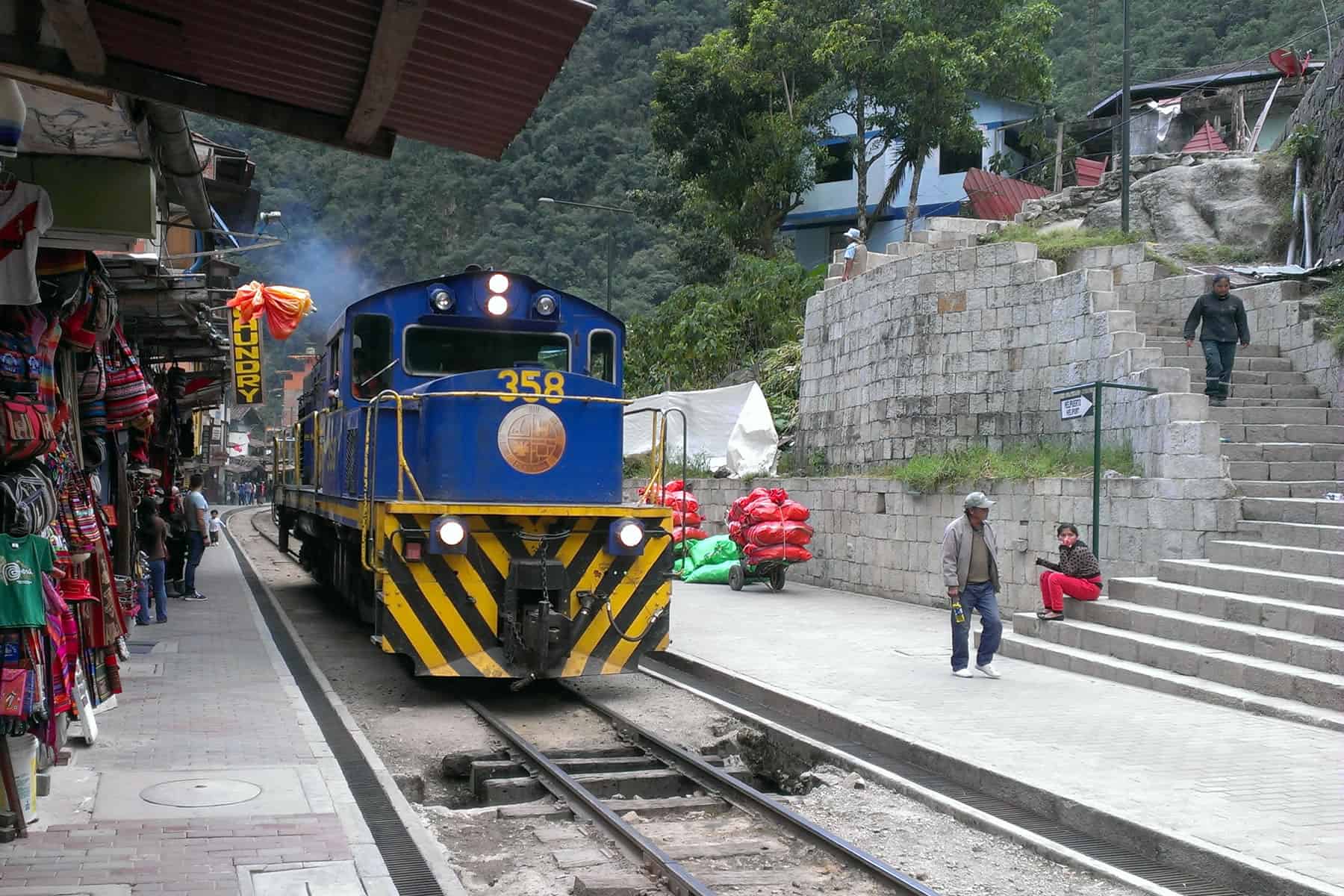
Best for early train departures, bus access, and last-minute logistics. The town offers the widest mix of hotels and restaurants for visitors finishing the hike.
Good base city before and after the trek, with the largest range of accommodations and services. Travelers often stay here to acclimatize before starting the route.
Useful for Sacred Valley access and rail connections toward Machu Picchu. It is a practical stop for travelers splitting the journey across multiple days.
Join thousands of happy travelers who have discovered this incredible experience
Book Your Experience Now